Social Infrastructure Repositioning
From a fragmented mixed-use property to a coherent community-services asset whose stable public and educational anchors create a credible basis for revaluation.

Asset challenge
The building already generated activity and income, but its apartments, offices, education, everyday services and auxiliary spaces formed a tenant mix without a clear hierarchy or investment identity.
Repositioning logic
The repositioning identifies education, health and public-facing services as anchors, then curates supporting uses around them. This changes the valuation logic: income is no longer read as a collection of unrelated leases, but as cash flow generated by a coherent, locally relevant and harder-to-replace community-services asset.
Strategic direction
Anchor-led tenancy · education and public services · community relevance · durable income.
Starting Point — Mixed Use Without a Centre
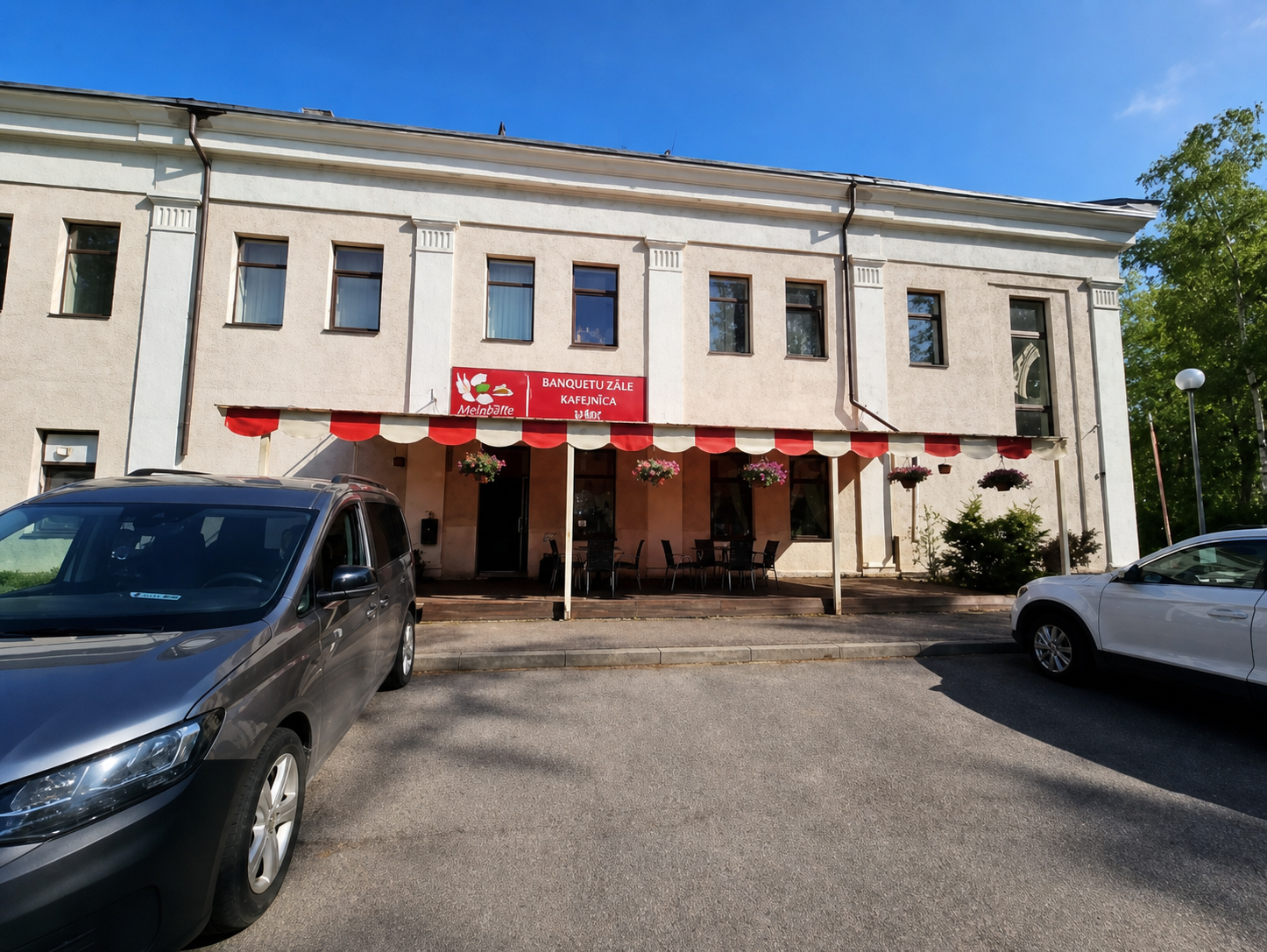
Flotes 8 was not an empty or obsolete building. It already contained residential, office, educational and everyday-service functions. The weakness was not a lack of use, but the absence of a clear relationship between those uses.

The Existing Strength — Public-Service Activity
Educational and public-service activity already gave the address a role in the neighbourhood. Instead of treating it as one more line in the rent roll, the strategy makes this embedded social use the foundation of the asset's identity.

Tenant Curation — Anchors and Supporting Uses
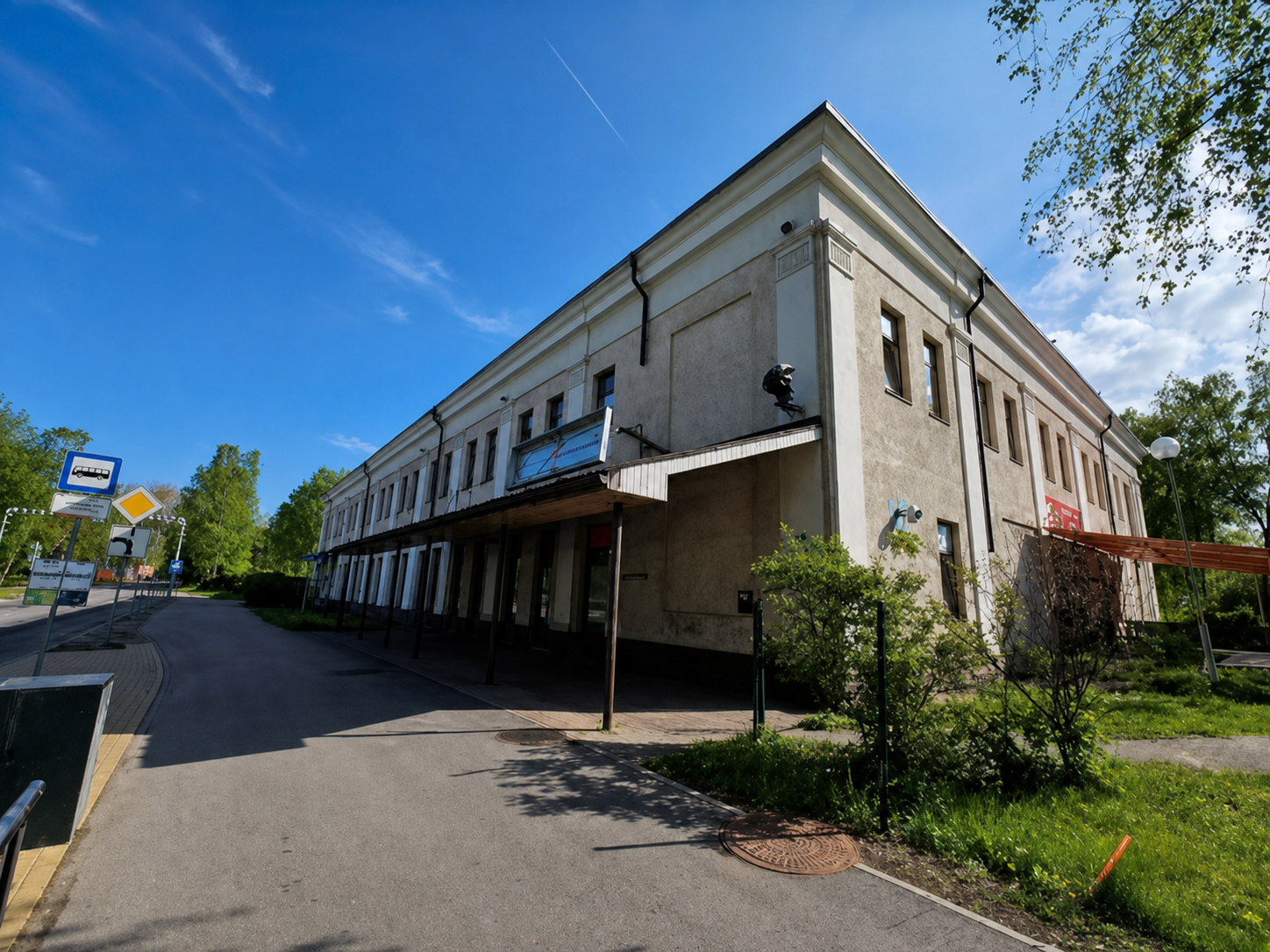
Education, health, youth and community operators become the anchors. Café, wellbeing, counselling and other convenience services remain valuable when they support the daily life of the hub rather than compete to define it.
Revaluation Logic — From Rent Roll to Durable Cash Flow
Before repositioning, the asset is likely to be valued as a heterogeneous rent roll: every unit carries its own reletting risk, the tenant mix offers little strategic protection, and current occupancy does not automatically prove durable demand. This uncertainty limits the confidence that an investor can place in future NOI.
A clear social-infrastructure profile makes the same income more legible. Anchor operators generate regular footfall and longer occupation, supporting services benefit from that demand, and the building acquires a role that cannot be replicated simply by offering another generic office or apartment nearby.
The revaluation case therefore rests on a change in income quality rather than an assumed increase in rent alone. Lower expected vacancy, reduced tenant turnover, longer operating relationships and a clearer leasing proposition can improve the market's view of risk. If these effects are evidenced in leases and operating performance, they can support more stable NOI and a stronger valuation yield.


Evidence Required for Revaluation
The new narrative should be verified through measurable evidence: lease duration and break options, renewal rates, arrears, occupancy by anchor and supporting uses, tenant acquisition costs, downtime between leases, operating costs and the stability of net income. The stronger these indicators become, the less the valuation depends on a conceptual story alone.
This creates a disciplined path to value: first establish the anchor-led operating model, then demonstrate retention and cash-flow resilience, and only then translate the reduced risk into a valuation premium. Repositioning becomes not a cosmetic relabelling of mixed use, but an evidence-based transition to a distinct social-infrastructure asset class.
Key repositioning advantages
Clear hierarchy
Public, educational and community uses form the core; other tenants support it.
Lower vacancy risk
Relevant anchor tenants make the asset less dependent on constant reletting.
Neighbourhood relevance
The building becomes a recognisable place for services used in everyday life.
Durable investment story
Tenant quality, social utility and longer operating relationships provide evidence for lower risk, more resilient NOI and asset revaluation.