Heritage Repositioning
From an unmarketable restoration liability to an international platform whose unfinished character became its strongest asset.
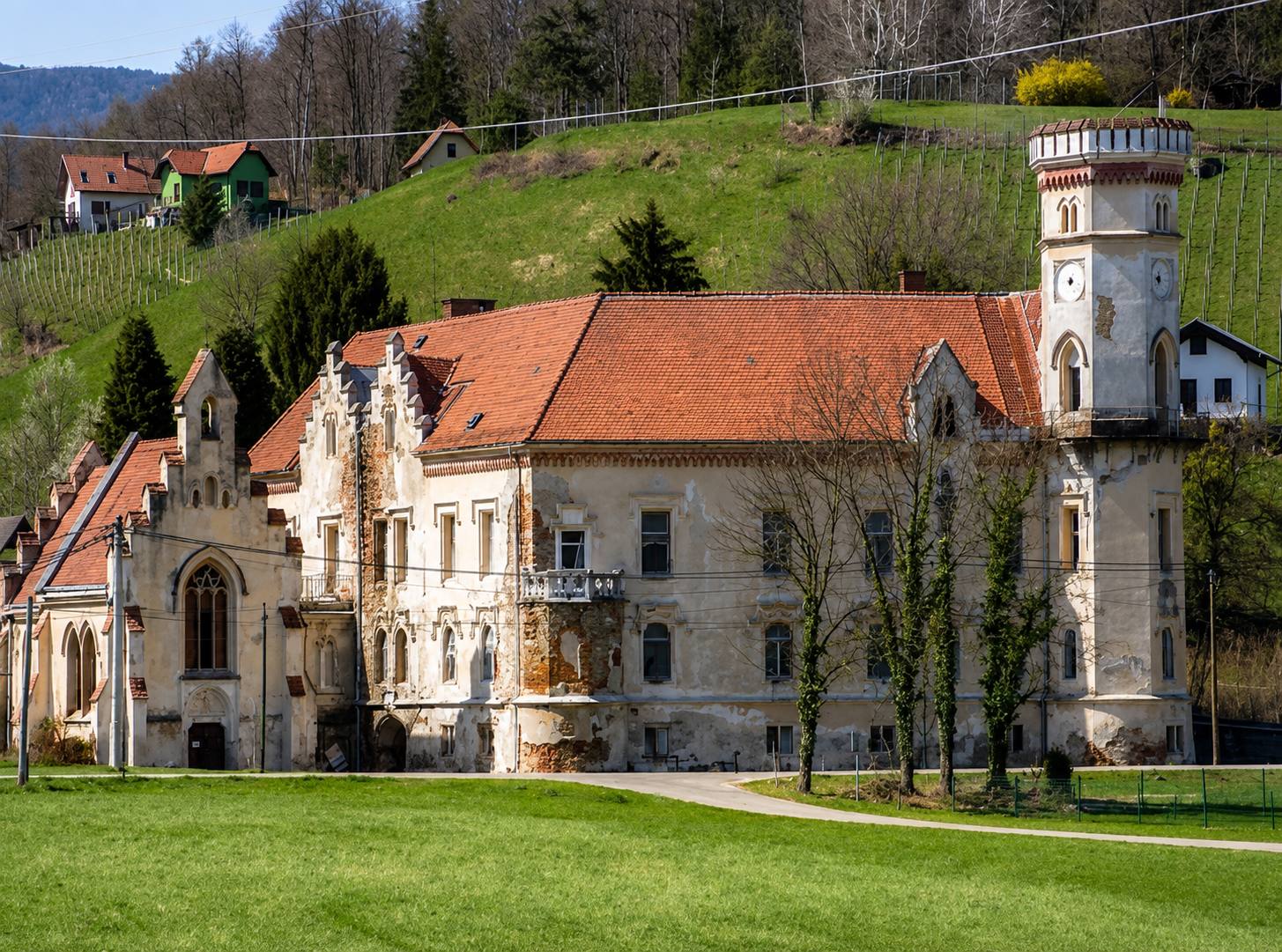
Asset challenge
A historic castle trapped between the cost of total restoration and a market with neither an obvious buyer nor a convincing reason to acquire it.
Repositioning logic
The project moved from a property-sale thesis to a multi-scenario platform where cinematic production, photography, education, cultural exchange and selective hospitality reinforce one another.
Strategic direction
Preserve the cinematic patina · activate before over-restoring · build an international creative and educational destination.
Starting Point — A Castle Without a Market
At the beginning, the asset was read in the most literal way: an old castle that had to be fully restored and then sold. That sequence looked logical on paper, but collapsed under scrutiny. Restoration required substantial capital before the project had a clear audience, operating model or buyer. The local market could not justify the scale of the investment, while an international buyer had no compelling reason to take on the risk.
The problem was therefore larger than the physical condition of the building. The castle was culturally valuable but commercially mute: expensive to recover, difficult to compare, and impossible to explain through the language of conventional residential or hospitality real estate.
First Reframe — From Sale to Use
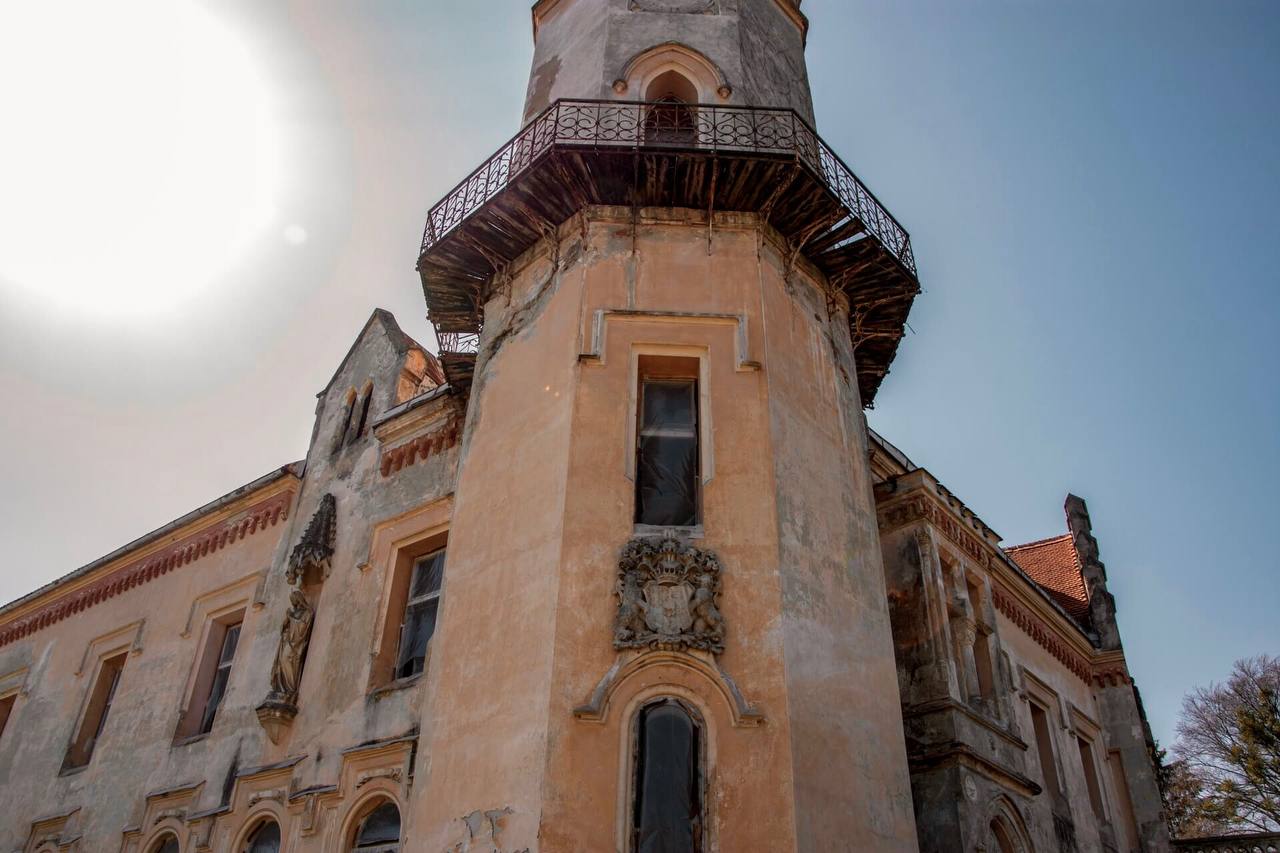
The first strategic shift was to stop asking who might buy the castle and ask who could use it. This changed the object from a static property into infrastructure for activity. Instead of depending on one hypothetical purchaser, the project could address filmmakers, photographers, artists, educators, researchers, cultural institutions and small-format event operators.
Value no longer depended only on a future transaction. It could be produced gradually through access, programming, temporary occupation, partnerships and international visibility.
Cinematic Platform
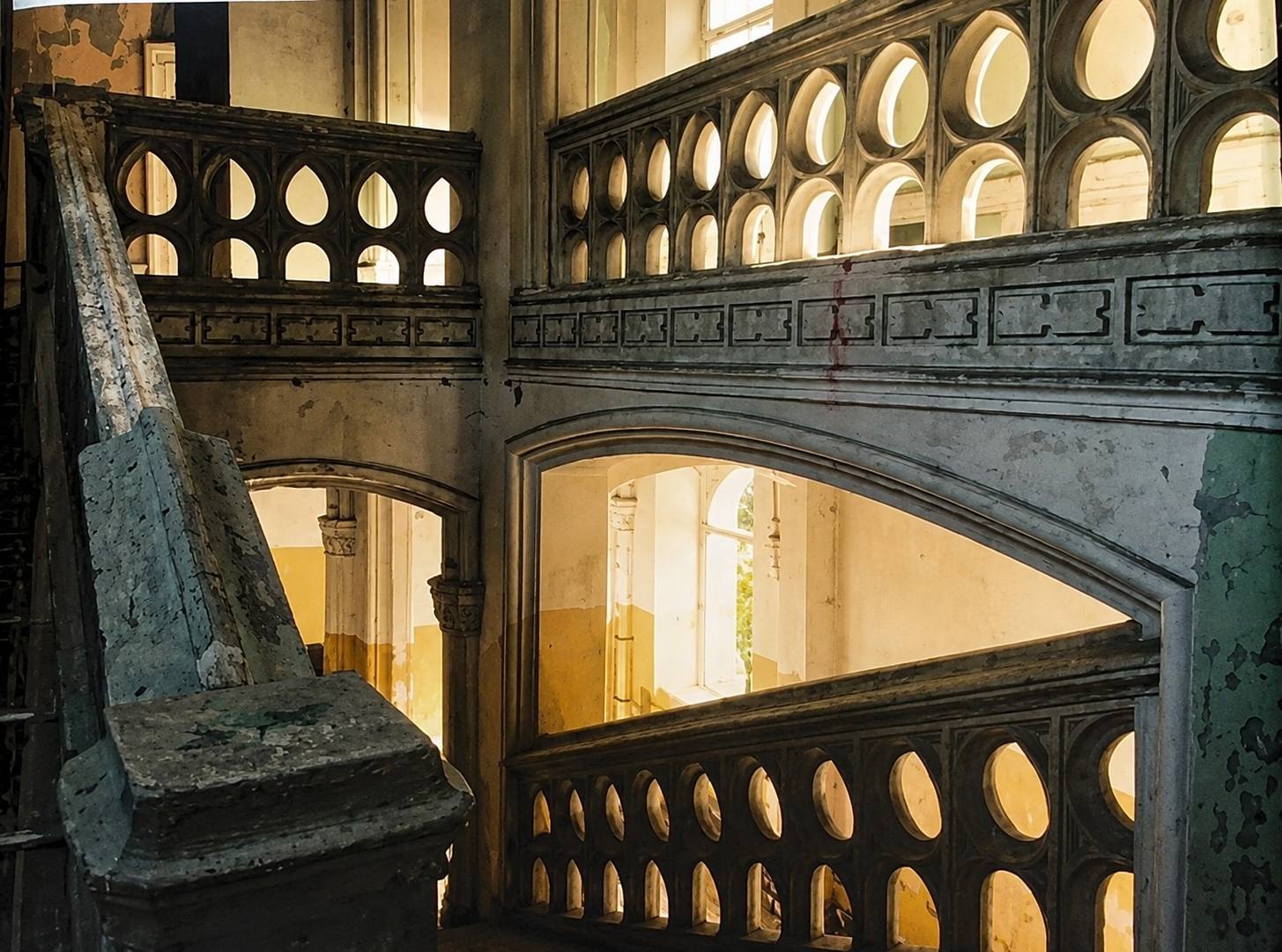
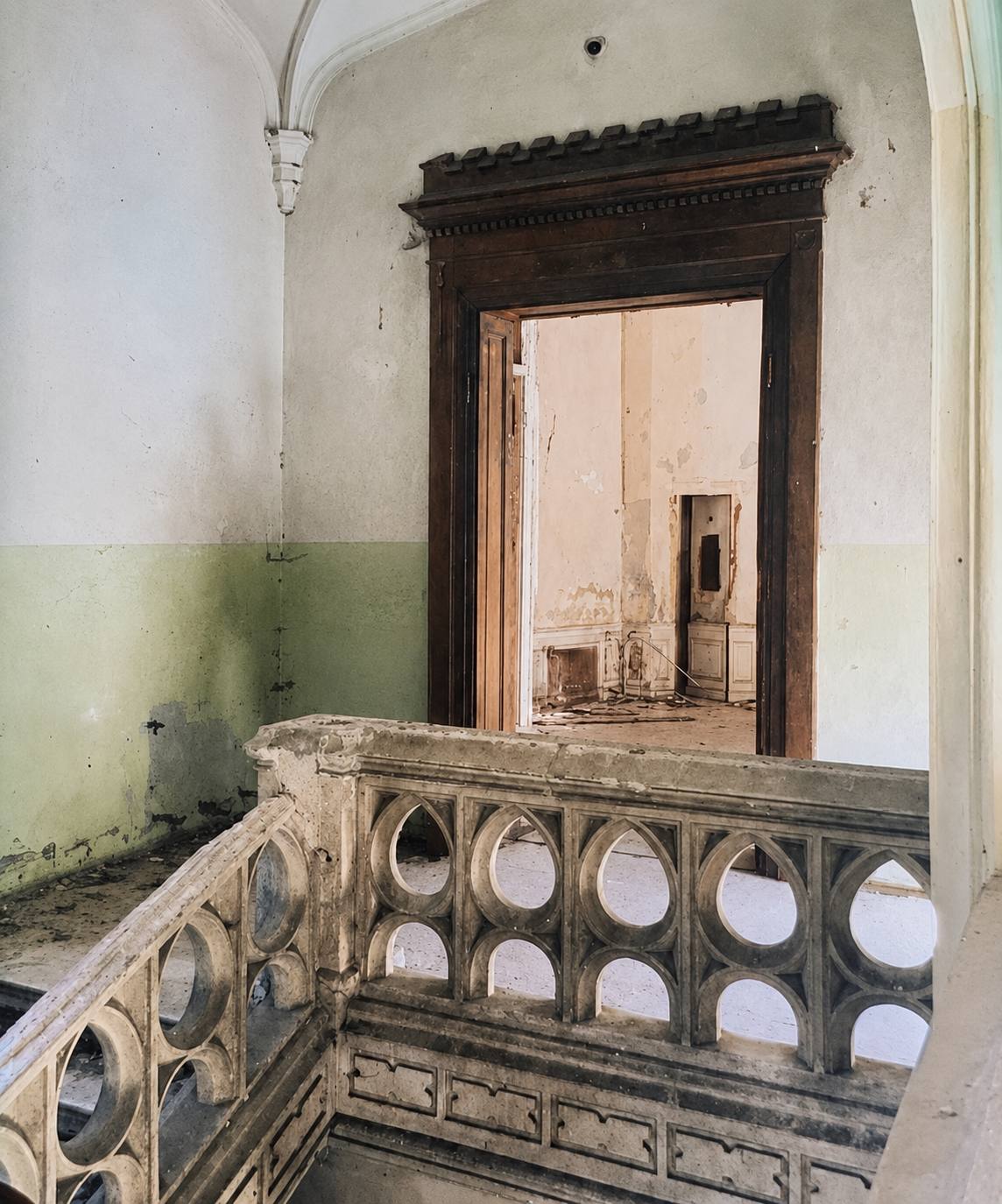
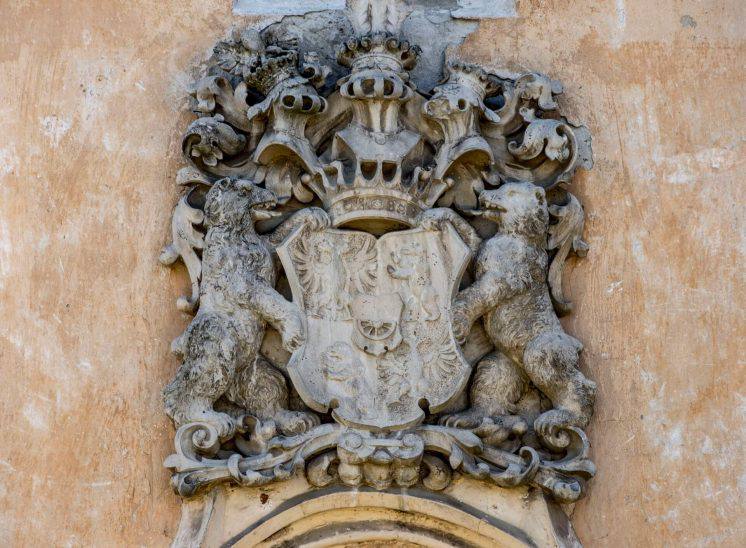
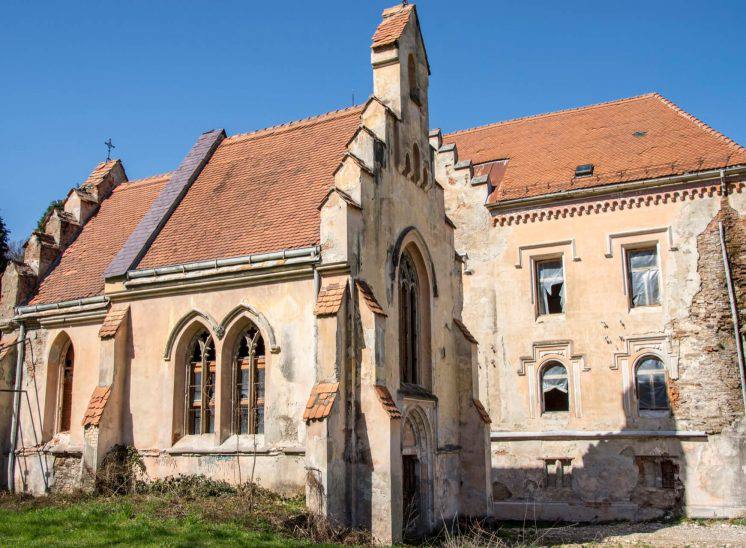
The castle's worn surfaces, deep shadows, irregular rooms and traces of time were initially treated as evidence of work still to be done. Re-read through the lens of visual production, those same qualities became production value. The building already contained what set designers spend significant budgets trying to recreate: believable age, layered texture and an atmosphere that changes from room to room.
This opened practical scenarios for feature and period films, fashion editorials, music videos, advertising shoots, portfolio sessions and location-based creative residencies. Each activates the castle without requiring it to imitate a newly finished luxury property.
Educational and Cultural Layer
The second layer transformed the castle from a rentable backdrop into a place where knowledge is produced. Workshops in filmmaking, photography, restoration, architecture, heritage management and visual storytelling can use the building itself as a living case study. International summer schools, artist residencies, lectures and small conferences create longer stays and a reason for institutions to return.
Education also gives the project continuity. A film crew may arrive for several days, while an academic or residency programme can build a seasonal rhythm. Together they create a platform that works across different calendars rather than relying on a single tourism peak.
The Critical Insight — Do Not Erase the Asset
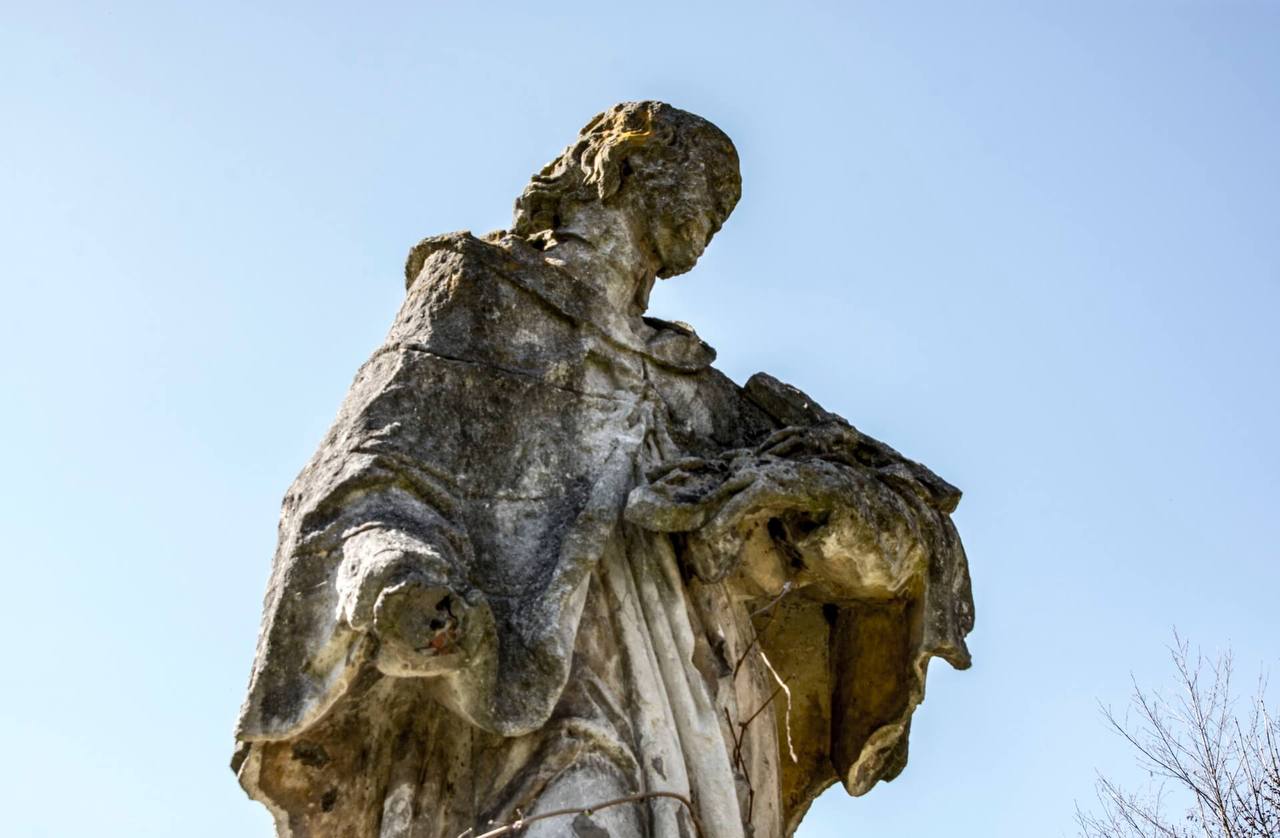
The decisive insight was that total reconstruction could destroy the very quality that made the new scenarios credible. If every wall were perfected, every surface replaced and every irregularity corrected, the castle would become more conventional precisely when the strategy required it to remain singular.
The approach therefore changed from total restoration to selective stabilization and adaptive activation: secure the structure, provide safety and essential services, improve access and production logistics, but preserve the patina, spatial ambiguity and visible evidence of time. Intervention becomes precise and reversible where possible; authenticity remains visible rather than being polished away.
Final Position — An International Working Castle
The final concept is not a museum frozen in one historical period, not a conventional hotel and not a property waiting passively for a buyer. It is an international working castle: a place for productions, creative residencies, learning, cultural exchange, curated events and selective hospitality.
Its repositioning reverses the original equation. What first appeared to be a liability — age, incompleteness and the cost of reconstruction — becomes the source of differentiation. The project no longer needs to erase its past before it can have a future. It creates its future by making that past usable.
Key repositioning advantages
Lower capital pressure
Selective stabilization replaces speculative total reconstruction and connects investment to real operating needs.
Multiple audiences
Film, photography, education, culture and hospitality create complementary demand instead of dependence on one buyer.
Authenticity as production value
Age, patina and spatial irregularity become marketable qualities that new construction cannot reproduce.
Phased activation
The castle can begin hosting selected uses while improvements continue, generating visibility, partnerships and evidence of demand.
Repositioning in Motion
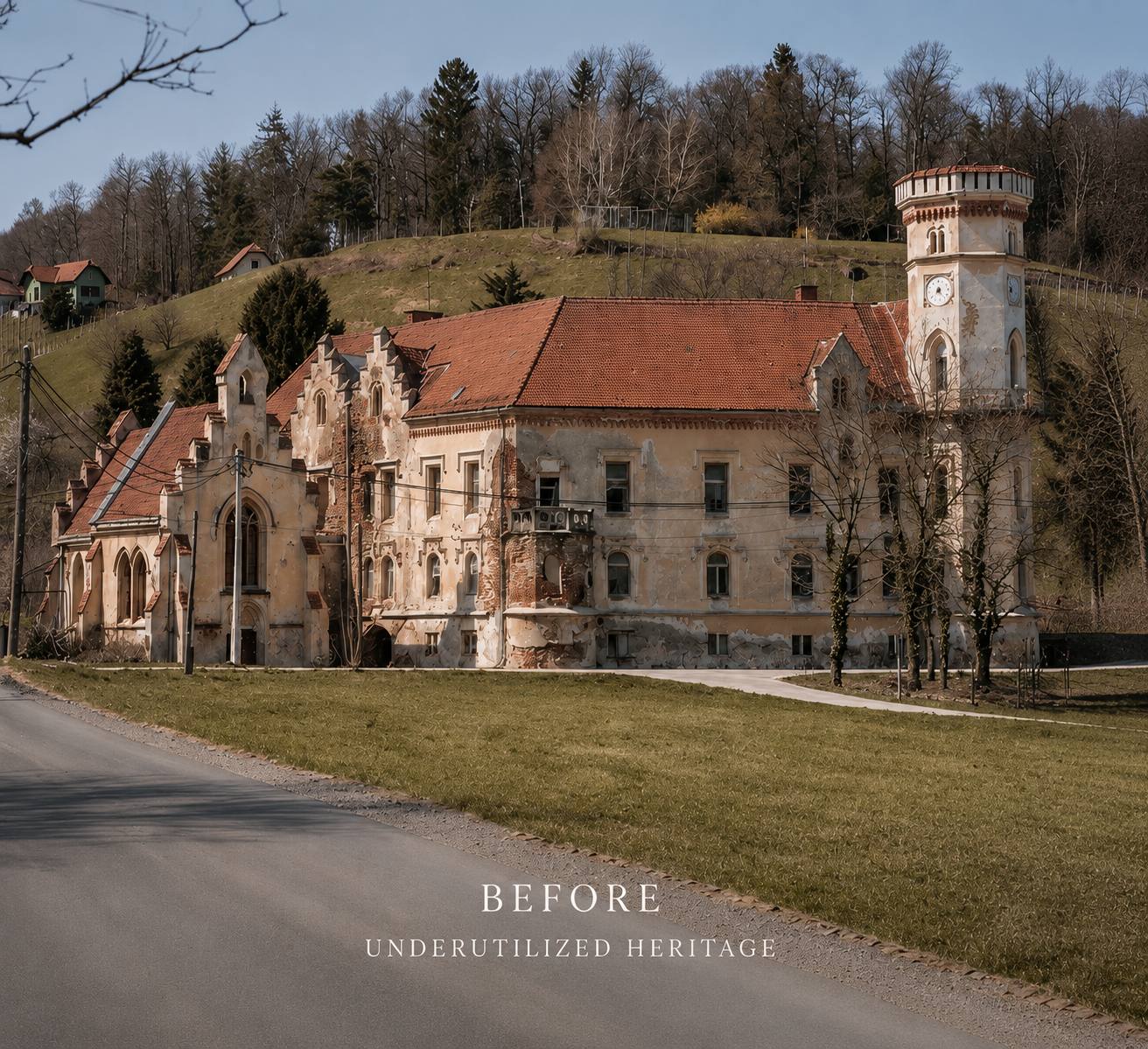
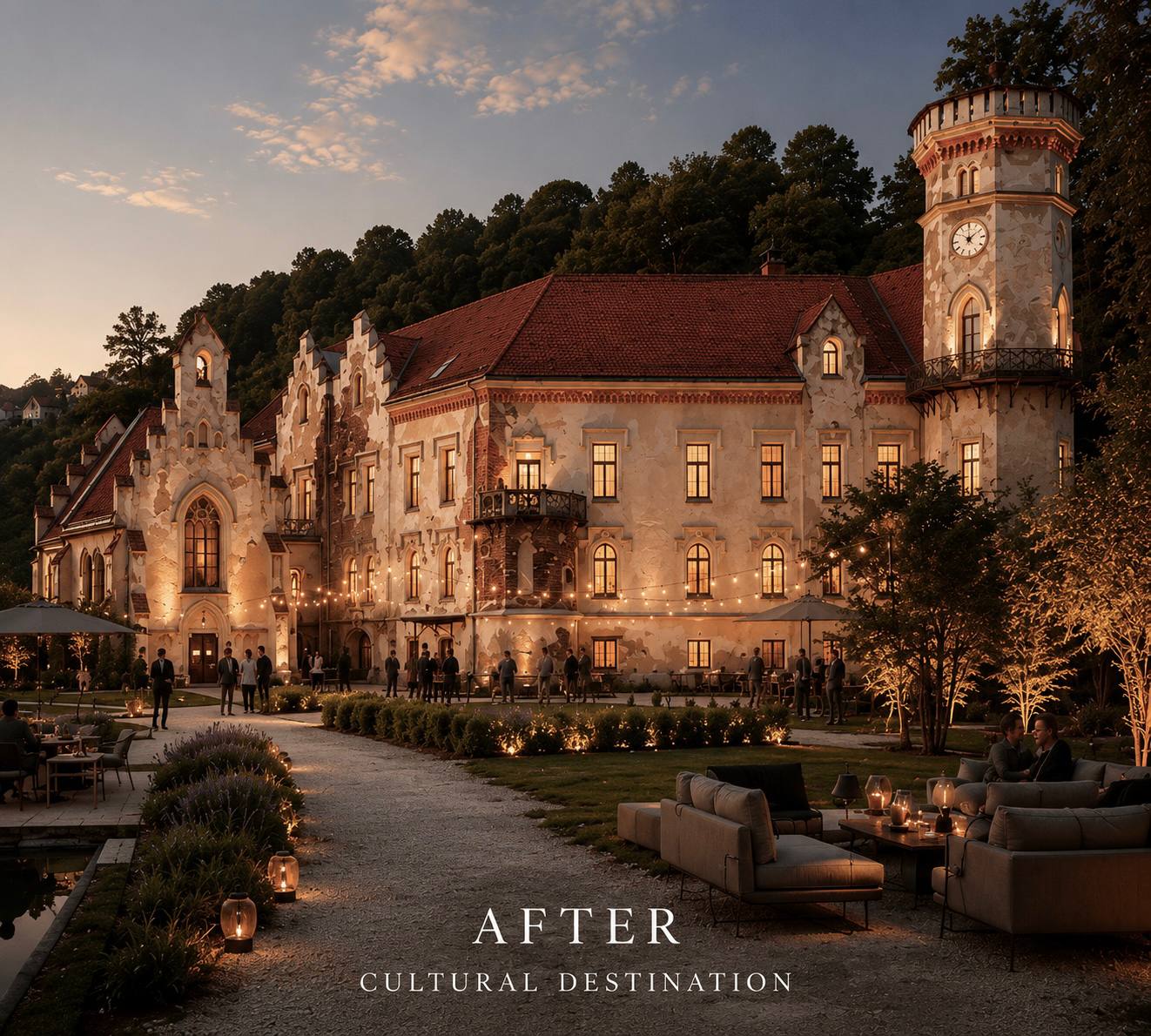
Before
Underutilized Heritage
After
Cultural Destination